
The manosphere: Why connection is your child’s greatest protection

Since the huge success of Netflix's Adolescence in 2025, and the recent Louis Theroux documentary Inside The Manosphere, there has been a lot of conversation, particularly amongst women and parents. So, let’s get into what it is, why kids and teens may be drawn to it, and what parents can do to prevent their kids from going down that path at all.
What is the manosphere?
The term "manosphere" originated approximately 25 years ago to describe online communities of men promoting extreme masculinity and men's rights. It laid the foundation for anti feminist groups now known as incels (involuntary celibacy), pick-up artists (PUA), and MGTOW (Men Going Their Own Way), and gained serious traction around 2008 through social media algorithms and with waves of "influencers" selling impressionable young boys and men "the dream" - flash cars, endless cash, and beautiful women at their beck and call, it’s obvious to see why they may be lured.
As a parent, as much as I personally want to ignore the whole thing, we have a responsibility to stay informed about the very real dangers our children will inevitably come across at some point - both online and off - but without getting pulled into the very thing it’s designed to do - create controversy and fear. Though for transparency, I couldn’t bring myself to watch Adolescence yet because I knew it would get in my head too much and I don’t want that fear to seep into my parenting onto my child, which I know it would had I watched it.
A parents guide to understanding the jargon
Knowing the language - even loosely - helps to know what to look and listen out for, so a few of the main points I’ve noted here.
Red pill: originally from The Matrix, this is the manosphere's main metaphor. Being "red pilled" means supposedly waking up to the "truth" that feminism has pitted society against men. The blue pill represents blissful ignorance, and the black pill - used primarily by incels - represents the bleaker belief that nothing will ever change and their situation is hopeless.
Incel: short for "involuntary celibate." A community of men who believe they are permanently unable to attract women, often due to their looks, physique or social status.
PUA (Pick-Up Artist): men who follow scripts to manipulate women into sexual encounters, framed as "game" or strategy.
MGTOW (Men Going Their Own Way): men who have chosen to opt out of relationships with women entirely, often framed as them ‘reclaiming power’.
Alpha / Beta / Sigma: "Alpha" men are seen as dominant, successful and top of the hierarchy, "betas" are weak/ submissive, whilst "sigma" is used when men see themselves as lone wolves, supposedly above the hierarchy entirely.
Hypergamy: the belief that women are biologically wired to seek a "higher value" man and will therefore always leave or cheat.
Looksmaxxing: obsessive self-improvement focused entirely on physical appearance, often taken to unhealthy extremes, with the goal of becoming more sexually attractive to females.
AWALT: "All Women Are Like That." Used to dismiss or dehumanise women as a group.
Foid / Femoid: dehumanising slang referencing women, used particularly in incel communities.
Escaping the Matrix: To reject mainstream society and education in favour of the manosphere's belief system.
If you hear any of these terms coming out of your child's mouth, reacting will only push them further towards it. It’s really important you allow open conversation about this so you can use it as a doorway of curiosity rather than confrontation.
Why does my son like toxic masculinity and online misogyny?
Having worked with many mothers who care so deeply about their children, I know that shame has an enormous power both internally and externally when people have been raised with fear as the default discipline strategy. I’ve love to invite you to notice what feels reactive or defensive as you read on and also know that what I share comes from the intention of wanting to raise awareness rather than blame. Feeling a reactive response is in itself useful information and evidence that you were most likely raised in an authoritarian household, even if, confusingly, it was also a very loving one.
The vast majority of the Western world were raised using fear-based compliance creating quite a reactive society. When that's all you've ever known, of course it becomes your default parenting style too. Only when we know better can we do better, for many they believe that ‘I turned out fine’ and that is all the evidence they need, whilst also believing that it is appropriate to terrify a toddler to ‘put them in their place’ which to me is evidence enough that they did not, in fact, turn out fine to treat our most vulnerable members of society in that way. For anyone who may feel guilt when they learn a different way, please know it is merely a signal that you're getting more aligned with something that feels more ‘right’ for you. That's not a bad thing at all.
What can parents do right now?
However kids are parented, many of the boys drawn into manosphere communities are individuals who feel lost, unseen, unheard and disconnected often at home first.
This isn't about blame, it’s about awareness. The authoritarian model - where the adults are top of the hierarchy and thought to know best, behaviour is managed through rewards and punishments, and love is largely conditional on compliance which (over time) creates a deep undercurrent of disconnection within the family dynamics and often, individuals too. Part of development is that teenagers begin to find their own tribes outside of the family home, and expand and develop their own world view, however the goal is to have a safety net at home. With this grounding, they feel safe to be themselves knowing they have that unwavering belonging and support at home. Those who feel chronic disconnection however are likely to seek it somewhere else.
The manosphere knows this. It actively targets boys who feel rejected, overlooked, or confused - often missing healthy male role models in their life. The influencers of the manosphere community offer them light at the end of their darkness with the light looking like everything a ‘true man’ holds; power, respect, money, women, control, and the main thing underneath the shallow top layers…connection.
How conscious parenting can help
When you remove fear in parenting completely, you have to rely on something else and it’s the very thing that we all seek as human beings - connection.
With true, deep connection, everything becomes a lot easier as children grow. In conscious parenting, discipline isn't built on control, power, or dominance meaning that when your child reaches the age where threats stop working, nothing is lost. Boundaries are already established, communication skills have developed and respect is felt because it's been nurtured, not demanded. If you are new to conscious parenting, it’s never too late to start. At the heart of it is about building relationships with themselves and others respectfully, a skill that is always beneficial.
A lot of mothers come to work with me because "my child won't do as they're told." They want their children to be good people and for many, that looks like a child who complies, listens, and honestly, let's be blunt, is convenient. Ouch.
I completely understand this. I'd be lying if I said I hadn't, at times, wished for an easier child who did what he was asked the first time. But I'm also genuinely grateful that my son is exactly who he is. He has challenged me more than anyone else on the planet and in doing so, he's made me a better, more compassionate, more curious version of myself; someone who has had to confront her own judgements, fears, and blind spots in ways she never expected. Someone who has learnt to question if my parenting choices and boundaries are necessary - or simply my ego and fears taking over. Many times anyway, it’s never going to be constant let’s be honest - and that’s ok!

Unconditional love doesn't mean "I love you when you do what I want." It means: I accept you as the messy, imperfect human that you are, and I trust you are doing your best. It means refusing to punish, shame, or withdraw love when someone makes a different choice than we would. It means disagreeing respectfully and allowing each other to express feelings without fear of rejecting them.
And to be clear, I’m not talking about permissive parenting with no boundaries. Boundaries are so important, and this is still one of the most common misconceptions about conscious parenting. It's something I wrote about for in my very first blog post, which you can read here if you want to learn more or of course, feel free to contact me because I could talk about this all day quite frankly as it’s just SO. FLIPPIN’ IMPORTANT.
Connection is key
When you openly slate or dismiss people in front of your child, whether it’s the neighbour down the road or people who are spreading genuine hatred and violence in the world, humans will read into your words through their own lens.
When Meghan Markle openly spoke about her depression on Oprah, the backlash was enormous. She was commonly called a liar, an attention-seeker, and a manipulator. Whether you have an opinion on her or not is completely irrelevant for the point I am making here, but what I noticed, as someone who hid clinical depression for years, was that I immediately knew which people in my life I felt safe to open up to, and which ones I couldn't. It wasn't about Meghan Markle. It was about what their judgements told me about how they'd respond if I were ever that vulnerable about something. What they maybe thought about me when I opened up about my depression. People think I’m a huge MM fan - but my defensiveness comes from my own experience and perception, not a deep admiration for someone I don’t even know!
The same is true for your children. If your son is quietly watching certain content and resonating with parts of it and then hears you tearing that whole rhetoric to shreds, he’s not going to come and say "actually, Mum, I've been watching this and I'm a bit confused." He's going to close that door quietly and find someone else he feels safer to be himself around. Which, ironically, is exactly what pushes him further towards the very thing you're trying to pull him away from.
Honestly, I've muttered my own choice of words about some of these individuals, safely out of earshot of my son. It’s incredibly hard not to. Their whole business model is designed to be provocative and controversial to get clicks and eyes on their content or ‘clout’ as it’s often referred to. These people are causing real harm, and I'm not asking you to accept that, and I’m certainly not justifying it. But publicly piling on, especially in front of our children, doesn't necessarily protect them in a way we think it does, but rather teaches them that judgement is how we respond to things we don't like or understand and in turn has the very real ability to isolate them further.
In the Theroux documentary, it came as no surprise to learn that many of these young men had absent or emotionally unavailable father figures. One lad even mentioned that his mum was a feminist and "would give him a slap" if she heard how he talked. However well-intentioned that slap would be, it’s exactly the kind of response that closes down the conversation and severs connection from her child. How can we make real change if we are refusing to understand what is drawing them to it in the first place and in turn, creating more division?
How to talk to my child so they will listen?
Being open to listening to your children to learn not correct without trying to fix or change what they think. You can listen, and even validate how they feel, without it meaning you agree. One of human beings core needs it simply to be heard. Not heard to be correct, but truly heard to understand. Active listening really is one of the best gifts you can give to your child because it enables to feel valued and that what they have to say matters.
Connection before correction is key, from early childhood all the way through the teenage years, the timing of difficult conversations matters enormously. Going in at them when things are already tense and you will be met with a wall of defensiveness and deflection. If something comes up and it's not the right moment, let it go knowing you can come back to it. Release the need for it to be now or never and instead come back when you're more connected: "Hey, I noticed you said X earlier. I've been thinking about it and I'd genuinely love to understand where you're coming from" is likely to be met with much less heat that a shouting match.
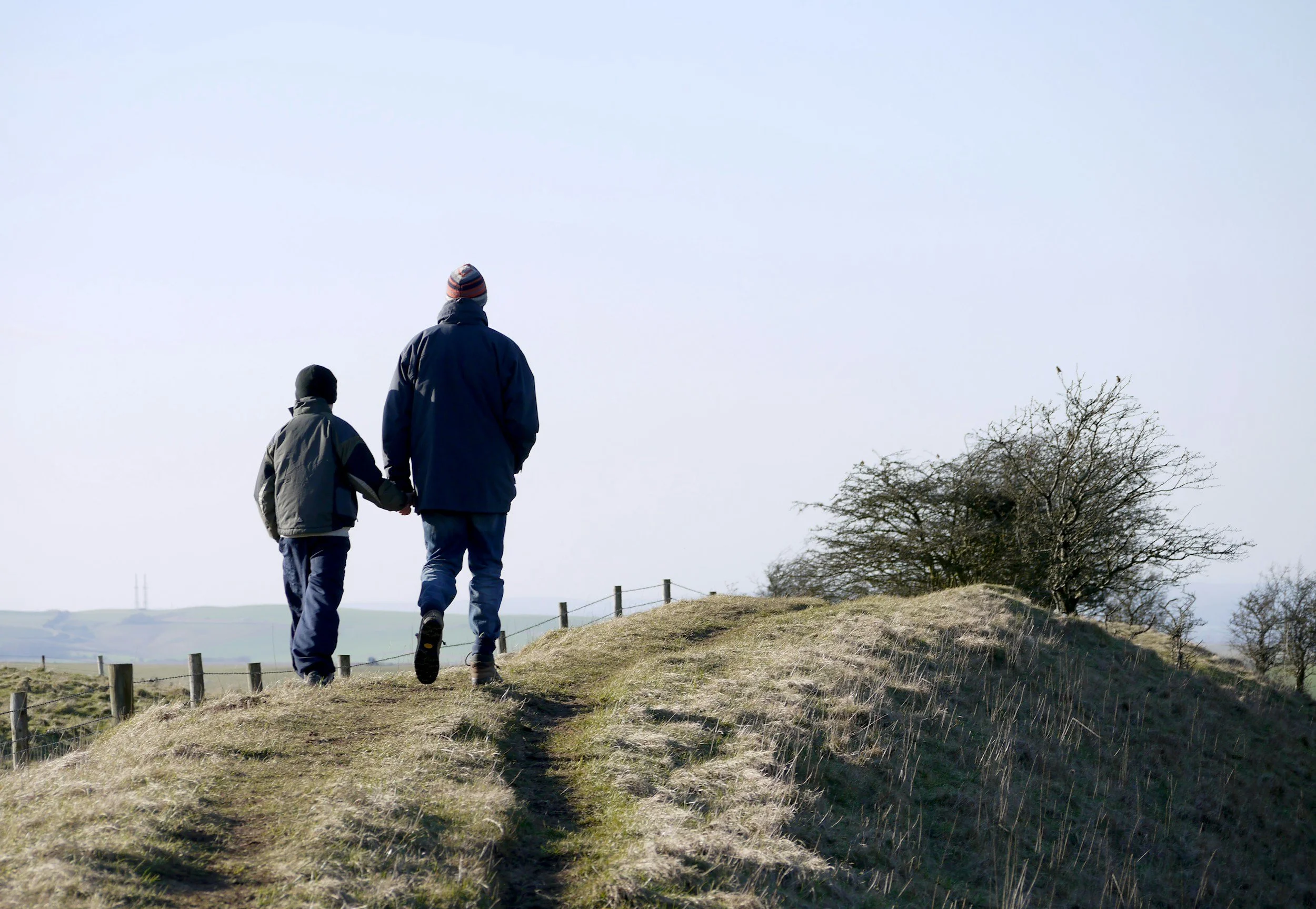
How to build connection
Here are some practical ways to start rebuilding, nuture or deepen the connection with your child. If it’s really ruptured, accept it will take time for trust to rebuild. How you deal with their attitude will determine how quickly that connection is likely to come, or not.
Start Young. Ideally, start all this BEFORE you are forced into a corner when controlling them no longer works. Build the trust and respect from as early as you can. If you’re only just coming to this with older children, do it now and feel hopeful there is another way.
Collaborate. Invite them into something you think they'd genuinely enjoy. Remove the expectation that they will jump at the invitation for a while, but keep the faith that they want a relationship with you deep down. A cinema trip, a sporting event, asking to play on their console with them - anything where you're just in each other's presence without needing to even speak about anything of any real relevance is a fantastic way to start. Play is the gateway to human connection without pressure. Get into their world, their interests - and show them you're interested in them (but don’t over do it!). Ask them, don’t presume.
Ask their opinions with the intention to actually listen. Not to somehow persuade them towards your view, but to genuinely understand theirs. Ask to hear more - let silences linger. Notice your non verbal communication. Pulling a face when they say something you don’t agree with is as harmful as saying the thing you’re thinking. Be aware! and if they pull you up on it, be honest that you just don’t understand, but you want to.
Side by side, not face to face. Conversations in the car, at a football match, or alongside them gaming are far less confrontational than sitting opposite each other.
Share a bit of your own story. "Would you want to hear about a time I felt something similar?" If they're not ready, they'll let you know. Wait until they want to hear it rather than forcing it on them. Giving them that option is in itself a really healing experience for them to feel valued if they are otherwise not feeling that.
Don't take it personally. This is about them, not you. If they don't want to be near you right now, that's just information about where things are, and whilst I realise will likely be incredibly painful, try not to make this about you. The whole point of this is for THEM to feel seen, heard and understood.
Drop the praise trap. I know this sounds strange, but praise is still a form of judgement, and its shadow side is criticism. If you do praise, make it about who they are, not what they've done. A simple ‘thank you’ can go a really long way.
No more threats. If you find yourself in a power battle, the battle is already lost. Threats don't build the kind of relationship where your child will ever come to you with something they're ashamed of or struggling with. Be their first thought - not their last option.
Boundaries with respect. The removal of threats does not mean no limits. Boundaries can be set clearly, calmly, and respectfully whilst also validating their feelings. Allow them to express how they feel about the boundary in a healthy way. If it’s not harming you, then let it be.
Apologise when you get it wrong. Be honest. Tell them you're working on doing things differently because you want them to feel safe coming to you one day. Model being imperfect and what to do when you mess up.
Find positive role models. Boxing gyms have an incredible reputation for turning around the lives of young men who walk in lost and leave with structure, purpose, and a sense of belonging. Mentors, coaches, older relatives - surround them with people who show them what a different kind of strength and life looks like.
Don't ban it outright. Cutting off access won't save them, it'll push them further away from you and closer to what you're trying to protect them from. If you're a mother, it will also feed directly into the "controlling women" narrative the manosphere already thrives on. This is about building autonomy, teaching them to think critically with integrity, trusting this behaviour is a sign of pain and a loss of identity and giving them the respect to figure things out for themselves with you for support, not critism.
Let them make mistakes. Let them know it's okay to get things wrong, what matters is what they do next. There is power in repair, their behaviours have real consequences but this is a part of their learning and not inflicted on by you. Show them you're on the same team and you want to help.
Remember…
Remember that judgements stem from fear. As a parent of a young boy myself, I feel it too - the weight of it, the responsibility, the very real fear of the world he's growing up in.
But trying to control our children creates more disconnection, more isolation, and sends them further towards communities where they will get the need to feel seen, valued, and understood met.
The answer isn't a tighter grip, it's a deeper connection.
You don't have to be a perfect parent. You just have to keep showing up, continue to get curious over their why, and keep choosing connection over control until one day they realise you might not accept their behaviour, but you accept them as a human being trying to get their needs met in a messy, complicated and scary world. The black and white of it is, they are seeking belonging and value in the world.
I’d really advise looking up articles from former manosphere followers, it is absolute gold for teaching us about what led them to it in the first place, and what helped them to get out - and from the ones I’ve listened to they were all depressed, anxious, confused, lost and felt they had nowhere else to turn. It doesn’t have to be that way.
One of the hardest parts of parenting however is accepting that there comes a point in our children’s lives where we can only do so much and accepting that the rest is up to them is a hard reality many of us don’t want to acknowledge.
FAQ’s
Q: Is it too late if my child is already watching this content?
It is never too late to rebuild connection. Connection is what this is ultimately about. Young men leave these communities all the time, and the most common thing former members say is that they needed to feel heard, valued, and like they had somewhere to belong. You can be that somewhere. It takes patience and it takes consistency, but the relationship you build now, even if it starts slowly, as messy as it may feel, it is worth not giving up for.
Q: What if my child gets defensive or angry when I try to bring it up?
That defensiveness is just information for where they are at. Underneath anger is usually fear, pain or sadness. Go back to basics: connection before the conversation. Don't bring it up in the heat of the moment. Find a calm, side-by-side moment, in the car, on a walk or making food. Lead with genuine curiosity rather than concern. "I've been watching that documentary and I'm genuinely trying to understand it - what's your opinion of it?" is a very different angle to "We need to talk about what you've been watching." One invites them in, the other feels confronting.
Q: I'm a single mum — does that make my son more vulnerable?
What matters far more than family structure is whether your son feels genuinely seen, heard, and valued at home. Some of the most grounded, secure young men come from single-parent households where the connection is strong. That said, if there is a gap where a positive male role model could help, it is absolutely worth actively looking for one. A coach, mentor, a family friend, a boxing gym, a youth group. You do not have to fill every role yourself, and asking for that support is one of the most powerful things you can do for them.
Resources
I highly recommend watching Ed Staffords 2024 Channel 4 documentary ‘Into The Jungle’ where dads and their teen kids travel to a Costa Rican jungle in an attempt to rebuild their relationship and connection. It is a fantastic programme to really get an insight into the point of views from both Fathers and the kids, and how vastly off the mark the dads are when it comes to really understanding where their kids are at. Entering and accepting the new phase of their parent-child dynamic that having an older child entails.
If you’d like to learn more about this, I’d highly recommend the Educate Against Hate download which is a fantastic resource created for schools, educators and parents about safeguarding children from extremism.
If you’re interested in learning more about conscious parenting you can visit my ‘work with me’ page to find out more or book a call and we can have an informal chat about how I can help you and your family.